Smart Home Design Tips to Transform Your Everyday Living
Smart home design uses technology to make daily life easier, safer, and more efficient. It connects lighting, security, climate, and appliances into one simple system you can control. Today, this approach is no longer a luxury but a growing standard in modern living.
Recent Security.org data shows that 7 in 10 homebuyers want smart features, and many are willing to pay more for them. This shift reflects how people value comfort, energy savings, and control. As homes evolve, smart systems are shaping how spaces are built and used every day.
Understanding how to apply these ideas can help you create a home that works better for your lifestyle now and in the future.
What is Smart Home Design and What Are the Benefits?
Smart home design blends layout planning with digital systems to improve how a home functions. It focuses on connecting devices so they work together. This approach can:
- Improve energy use
- Reduce daily effort
- Increase home value
Homes that think for you remove small daily stress points.
Modern Home Automation Improves Daily Life
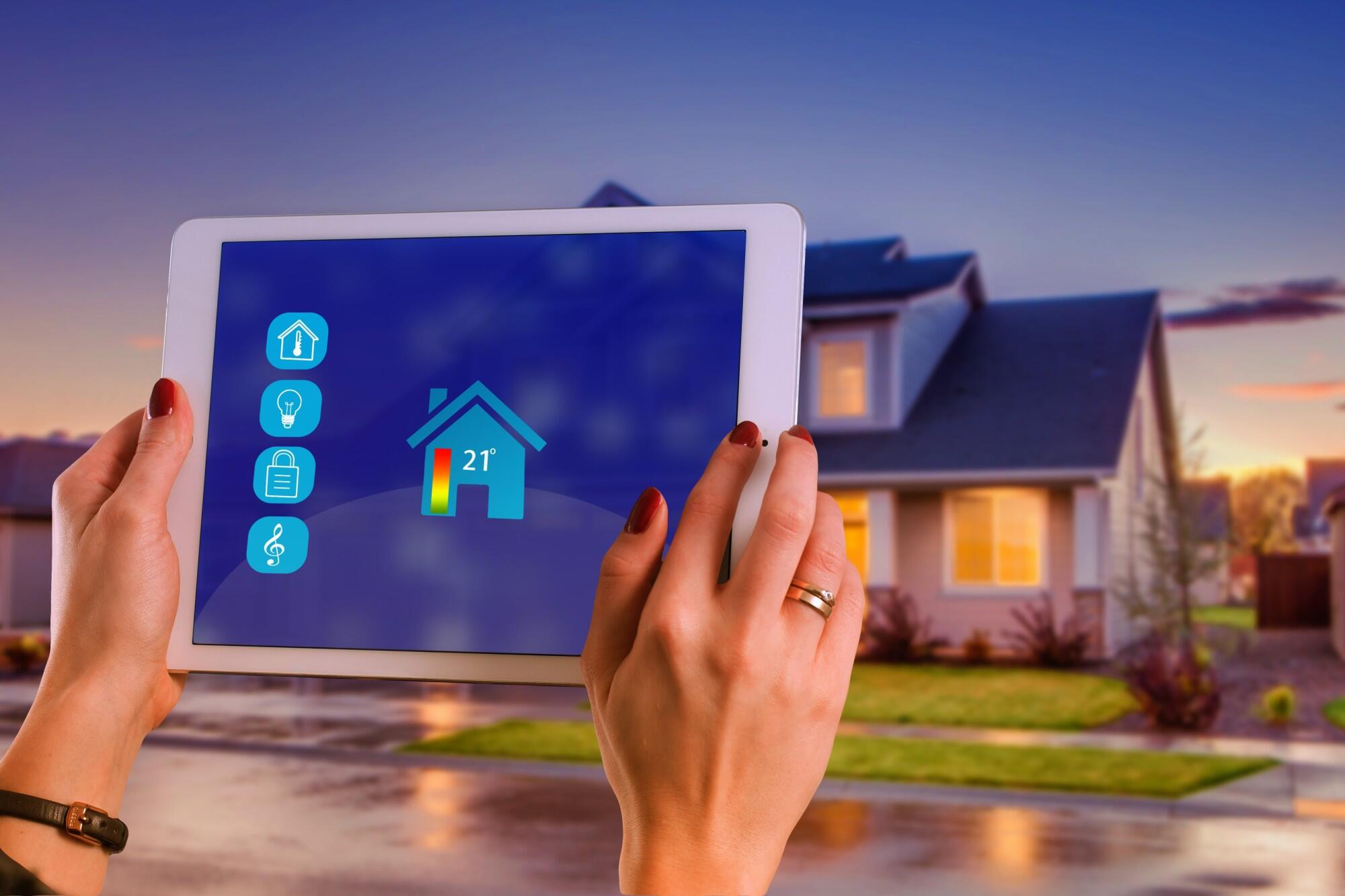
Modern home automation allows you to control lights, temperature, and security from your phone or voice commands. These systems adjust settings automatically based on your habits. This creates a smoother daily routine with fewer manual tasks and saves time.
Energy Efficiency and Long-Term Savings
Smart systems can reduce energy use by adjusting heating, cooling, and lighting automatically. This leads to lower utility bills and less waste.
According to Entergy, smart homes use an average of 40% less energy. Many homeowners see long-term savings through better energy control.
Choosing Smart Technology for Homes
Smart technology for homes may include:
- Lighting systems
- Smart security systems
- Smart locks
- Cameras
- Smart thermostats
- Smart appliances
Each system should serve a clear purpose instead of adding unnecessary complexity. Choosing compatible devices ensures they work together without issues.
Designing Layouts for Connected Living
A smart home starts with a layout that supports connected home innovations. Open spaces, clear wiring paths, and central control hubs make systems easier to manage.
Device placement affects how well integrative home systems perform. Sensors, thermostats, and routers should be installed in areas that allow full coverage.
Planning early helps avoid costly changes later. Learn more about planning steps for building a custom home.
The Future of Home Design and Integration
The future of home design focuses on deeper integration between systems and structure. Homes are being built with technology in mind from the start.
This shift allows for smoother upgrades and better performance over time. Explore how to choose a luxury home design company here.
Building a Home That Adapts to You
A well-designed smart home adapts to your routines instead of forcing you to adjust. It learns patterns and improves comfort without constant input.
The best smart homes feel natural, not complicated. They support daily life quietly in the background while improving safety and convenience.
Smart home design continues to reshape how people live, combining comfort with control in ways that were not possible before. Prestige Custom Building & Construction, Inc. stands out by combining in-house architectural planning with over 30 years of building experience, allowing every system to be fully integrated from the ground up rather than added later. If you are ready to build or upgrade a home that truly works for you, contact us today.